
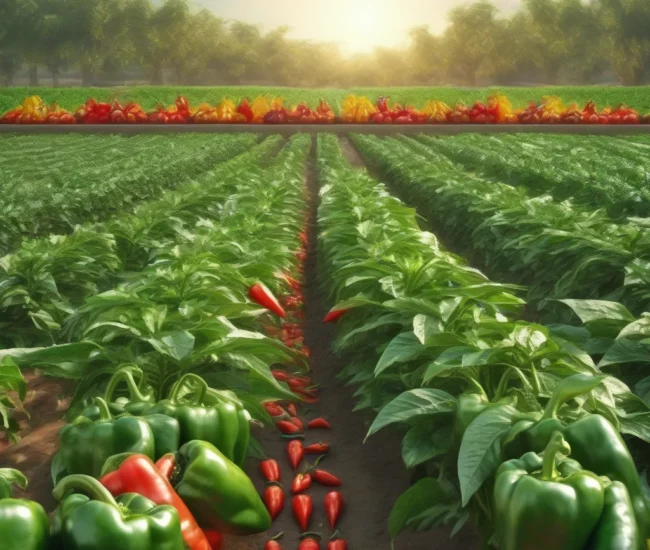
Capsicum Farming in Kenya: Building a Profitable Business in the High-Value Vegetable Sector
Kenya has emerged as one of Africa’s leading exporters of fresh vegetables, and capsicum stands out as a premium crop commanding strong prices in both local and international markets. For English-speaking farmers across the Rift Valley, Central Kenya, and Eastern regions, capsicum farming presents a viable pathway toward consistent income, especially when the crop is managed according to proven agricultural practices.
The crop thrives in Kenya’s diverse agro-ecological zones, from the cool highlands of Nyeri and Kiambu to the warmer low-altitude areas of Nyandarua and Trans Nzoia. This guide addresses how to grow capsicum in Kenya through practical steps that serious producers rely on, while also exploring the challenges, varieties, and marketing strategies that determine success in this competitive sector.
Why Capsicum Is a High-Value Crop for Kenyan Farmers
Capsicum farming in Kenya has gained significant traction because the crop delivers above-average returns per acre compared to many traditional vegetables. Demand is steady in major supermarkets such as Naivas, Chandarana, and Carrefour, as well as in hotels, restaurants, and processing plants across Nairobi, Mombasa, and Kisumu.
Berries and red bell peppers especially attract premium pricing during periods when supply is constrained. Kenyan farmers who plan their planting calendar to match peak demand windows often see margins that justify the initial investment in quality seeds, drip irrigation, and greenhouse structures. When you explore capsicum production Kenya, you will find that the return per hectare consistently ranks among the top for protected agriculture crops.
Capsicum Farming in Kenya Greenhouse vs Open Field Systems
Both greenhouse and open field approaches are used widely, and your choice depends on capital availability, water access, and target market. Greenhouse cultivation offers tighter control over temperature, humidity, and pest pressure, which translates into higher yields per square metre and earlier harvesting. Many investors and cooperative groups in Kiambu, Machakos, and Nakuru have shifted toward protected cultivation to meet the consistent quality standards demanded by export buyers.
Open field production remains popular among smallholder farmers because it requires lower upfront costs. However, it demands more careful attention to weed management, soil fertility, and pest scouting. Regardless of the system, implementing drip irrigation early in the project will improve water use efficiency and reduce leaf diseases caused by overhead watering.
Best Capsicum Varieties for Kenya Climate and Market Needs
Choosing the right variety is one of the most critical decisions for new and experienced farmers alike. The ideal variety must suit your altitude, expected rainfall pattern, and the colour stage your target buyer prefers. Popular choices in the Kenyan market include blocky orange and green hybrids that show good resistance to common viral diseases and tolerances to heat stress during dry planting windows.
AgriBee Seeds Pvt Ltd works closely with breeders to offer varieties adapted to East African conditions, ensuring that farmers receive seeds with reliable germination rates and consistent field performance. The vegetable seeds category includes several capsicum options suited to greenhouse tunnels, net houses, and open field cultivation across different regions of Kenya.
When selecting varieties, consider whether your market accepts green maturity or requires full-colour ripening. Red and orange capsicum fetch higher prices in hotel and export chains but require a longer growth period. Green-stage harvest allows quicker turnover and multiple picking cycles within a single season.
Step-by-Step Cultivation Practices for Capsicum in Kenya
Successful capsicum farming Kenya hinges on sound agronomic management from seed to sale. The following practical steps reflect methods used by professional farmers and agri-dealer advisors across the country.
- Start seeds in a prepared nursery medium using clean seed trays or raised beds with well-drained compost. Maintain moisture without waterlogging.
- Transplant seedlings after four to five weeks, once they have developed at least four true leaves and the root ball is firm.
- Space plants at roughly 50 to 60 centimetres apart in rows spaced 70 to 80 centimetres apart, depending on variety vigour and expected fruit size.
- Install drip irrigation at transplanting to deliver water and dissolved nutrients directly to the root zone.
- Apply a balanced fertiliser programme with emphasis on calcium during flowering to prevent blossom end rot, a common disorder in greenhouse and drip-fed systems.
- Stake or cage tall hybrid varieties, particularly those grown under mulch or in high-density arrangements.
- Monitor regularly for aphids, whiteflies, thrips, and fruit borers, which can rapidly reduce marketable yield if left unaddressed.
Capsicum Farming Kenya Challenges and How to Manage Them
Even experienced growers encounter obstacles, and understanding these early helps you design a resilient operation. Key capsicum farming Kenya challenges include inconsistent rainfall during planting seasons, rising input costs, pest pressure from migrating insect populations, and post-harvest bruising that lowers grade A percentages.
Climate variability is a real concern, especially when the long rains arrive late or the short rains are shorter than usual. Farmers who rely on irrigation through dry spells generally maintain steadier production. Soil-borne diseases such as fusarium wilt and bacterial spot require crop rotation, clean seedbeds, and resistant varieties. In greenhouse environments, excessive humidity can encourage botrytis and downy mildew, making proper ventilation and canopy management essential.
Market fluctuations also affect profitability. During peak harvest periods from multiple producing regions, prices can drop sharply. Staggering plantings every two to three weeks and targeting off-season windows helps smooth income throughout the year.
Marketing and Export Opportunities in Capsicum Production Kenya
Capsicum production Kenya benefits from established export corridors running through JKIA and the Port of Mombasa, with buyers in the Middle East and Europe specifying strict residue and quality standards. Farmers who document their spraying programmes, maintain traceability, and invest in post-harvest handling equipment are better positioned to access these channels.
Local marketing through agri-dealers, produce aggregators, and direct contracts with supermarket chains remains the most accessible route for emerging producers. Building relationships with two or three reliable buyers before the first harvest reduces the risk of produce going unsold.
Frequently Asked Questions About Capsicum Farming in Kenya
How much can a farmer earn from capsicum farming Kenya?
Earnings depend on variety, management level, and market channel. Well-managed greenhouse plots under drip irrigation often record stronger yields per acre than open field plots. Farmers who time their harvests for high-demand periods and sell through graded export channels typically achieve better returns than those selling loose produce at local markets. Planning your planting schedule against seasonal price trends is a practical step that many successful operators take.
What is the best time to plant capsicum in Kenya?
Planting windows vary by region and altitude. In the central highlands, many farmers sow during the onset of the long rains or start nursery seedlings under protection for dry-season transplants. In the eastern and western lowlands, the short rains often provide adequate moisture for direct establishment. Farmers who use irrigation can extend their planting seasons considerably.
Where can Kenyan farmers buy certified capsicum seeds?
Quality-certified capsicum seeds are available through licensed agri-dealers in major towns such as Nakuru, Eldoret, Thika, and Nairobi. Reputable seed companies provide germination guarantees and variety descriptions suited to specific growing conditions. Checking packaging labels for registered variety status and sourcing from verified suppliers are practical ways to avoid counterfeit or mislabelled seed products.
Capsicum farming in Kenya continues to offer strong opportunities for farmers willing to invest in proper inputs and disciplined crop management. By combining the right variety, reliable irrigation, integrated pest management, and informed marketing, producers can build sustainable enterprises that serve both local retailers and export buyers. AgriBee Seeds Pvt Ltd supports Kenyan farmers with a focus on practical guidance, quality seed stock, and ongoing agronomic advice.

