
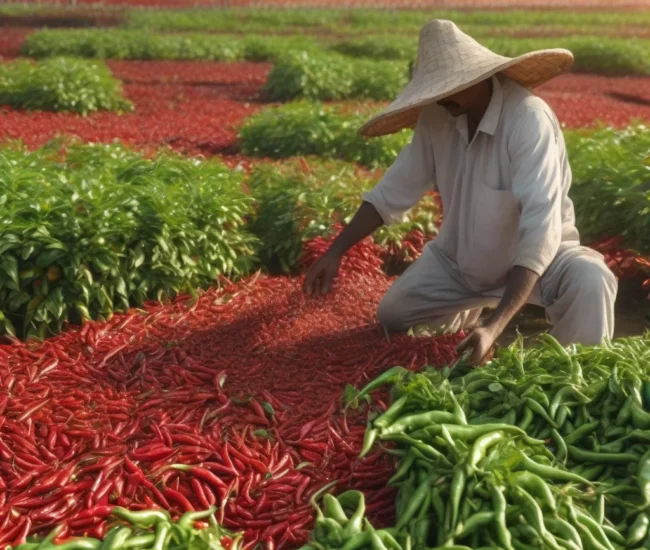
Chilli Farming Nepal: A Complete Guide for Growing High-Pungency Mirch in Terai and Mid-Hills
Chilli, known as marcha in Nepali and mirch in Hindi, is one of the most important culinary crops grown across Nepal. From the flatlands of the Terai to the terraced slopes of the mid-hills, farmers in Nepal grow chilli on small and medium plots every season. For any farmer considering chilli farming Nepal, this crop offers a reliable source of income because of steady domestic demand, export opportunities to India, and relatively low input costs.
This guide covers everything you need to know about successful chilli cultivation in Nepal — from choosing the right variety to managing pests, calculating costs, and maximizing your profits. Whether you are new to growing or want to improve your existing practices, the information here will help you make better decisions this season.
Why Chilli Farming Is Profitable in Nepal
Nepal has a wide range of agro-climatic zones, and chilli grows well in most of them. If you are planning chilli farming Nepal mein kaise kare, it helps to first understand why this crop makes sense for your farm. Nepali cuisine relies heavily on chilli, and almost every household uses fresh or dried green and red chilli daily. This means there is always a ready market for your produce.
High pungency varieties are especially popular in Nepali cooking, making them a preferred choice among traders and processors. Farmers who grow red chilli farming Nepal high pungency type varieties often find better prices in local mandis and also meet the requirements of exporters. The demand from Indian buyers adds another strong revenue stream, particularly for those practicing export quality chilli farming Nepal methods such as careful grading, proper drying, and hygienic packing.
Chilli can be cultivated twice a year in many parts of the Terai — once during the spring season starting around February and again during the autumn season after the monsoon. This double-cropping cycle allows farmers in regions like Koshi Madhesh mein mirch ki kheti to earn income from two harvests each year, improving overall returns significantly.
Best Chillies for Nepal: What to Plant
Selecting the right variety is one of the most important steps in Nepal mein mirch ki kheti ka tarika. Different regions suit different types, so talk to local agricultural offices and experienced farmers before buying seeds. Here are some factors to consider:
- Look for varieties that tolerate both dry spells and heavy rain, since Nepal’s weather can shift quickly.
- Choose high pungency types if you plan to sell in local markets or for drying.
- Consider disease resistance, especially against common issues like leaf curl virus and fruit rot.
- F1 hybrid seeds often give better uniformity and yield compared to open-pollinated varieties.
AgriBee Seeds Pvt Ltd offers carefully selected chilli seed varieties suited for Nepali growing conditions. You can explore our premium product range at Karina Chilli Seeds and browse other vegetable seed options at Vegetable Seeds Category.
Preparing the Field for Chilli Cultivation
Before sowing, field preparation determines how well your crop establishes. Chillies prefer well-drained loamy soil with a pH between 6.0 and 7.0. Avoid waterlogged fields, as chilli roots are sensitive to excess moisture and rot diseases thrive in such conditions.
In the Terai and mid-hills of Nepal, many farmers prepare their fields after the monsoon recedes or during early spring depending on the planting season. Add well-decomposed farmyard manure at around 15 to 20 tonnes per hectare during land preparation. This improves soil structure and provides steady nutrition throughout the growing period.
Starting the Nursery: A Critical Early Step
One of the most practical tips for successful chilli farming in Nepal is to start your nursery correctly. A healthy nursery gives you strong, uniform plants that establish faster and resist stress better. Start the nursery about six weeks before you plan to transplant seedlings into the main field. Use clean, well-sifted soil mixed with compost in seed trays or raised nursery beds. Sow seeds at a shallow depth and keep the bed consistently moist but not wet.
During the nursery phase, protect young seedlings from harsh sunlight and heavy rain using shade nets or temporary covers. This is especially important in the Terai, where intense sun and sudden downpours can damage tender sprouts.
Transplanting and Spacing Guidelines
When seedlings reach about 10 to 12 centimeters in height and have developed four to six true leaves, they are ready for transplanting. Follow the recommended spacing of 45 by 30 centimeters between plants. This spacing allows adequate air circulation, reduces disease pressure, and makes field operations like weeding and harvesting easier.
Transplant during late afternoon or on a cloudy day to reduce stress. Water the seedlings well after transplanting, and apply shade for two to three days if the weather is very hot. Proper transplanting timing and technique directly affect plant survival rates and early growth vigor.
Irrigation and Mulching Practices
Chilli does not tolerate standing water, but it also needs consistent moisture, especially during flowering and fruiting. In Nepal’s dry months, irrigation becomes essential. Drip irrigation is highly effective where available, as it delivers water directly to the root zone while keeping the foliage dry, which helps prevent fungal diseases.
Using organic mulch such as straw or dried leaves is another excellent practice. Mulch conserves soil moisture during dry spells, suppresses weeds, and helps maintain even soil temperature. This simple step can make a noticeable difference, particularly for farmers practicing chilli farming Nepal in rain-fed areas where water availability is unpredictable.
Pest and Disease Management
Common pests affecting chilli in Nepal include aphids, whiteflies, thrips, and fruit borers. Regular scouting helps you catch infestations early. Use yellow sticky traps for aphids and whiteflies, and apply botanical sprays like neem oil when needed. Rotate crops whenever possible to break pest and disease cycles.
Diseases such as bacterial leaf spot, wilt, and fruit rot can cause significant losses. Good sanitation, proper spacing, and avoiding overhead watering are effective preventive measures. If you notice symptoms of viral diseases, remove affected plants immediately and dispose of them safely outside the field.
Harvesting and Market Options
Harvesting typically begins about 90 to 120 days after transplanting, depending on the variety and growing conditions. You can harvest chillies at either the green stage or the mature red stage, depending on what your target market prefers. Fresh green chilli sells quickly in local markets, while fully red chillies command higher prices and are ideal for drying and export.
For farmers interested in export quality chilli farming Nepal, maintain consistent grading standards, avoid mechanical damage during picking, and ensure proper sun or shade drying to reduce moisture content to safe levels. Pack dried chillies in clean, labeled gunny bags or branded packets for better market recognition.
Chilli Farming Cost and Profit in Nepal
Understanding chilli farming cost and profit in Nepal helps you plan your investment realistically. Major cost components include seeds, land preparation, transplanting labor, fertilizers, pesticides, irrigation, and harvesting. Hybrid seeds may cost more upfront but often deliver higher yields and better disease resistance, which can improve net returns over time.
Revenue depends on yield, market price, and whether you sell fresh or dried produce. Many farmers report that chilli offers one of the better profit margins among vegetable crops when managed properly. Keeping detailed records of inputs and sales helps you calculate your true profit at the end of each season.
Key Tips for Success
- Start your nursery six weeks before transplanting date for strong, healthy seedlings.
- Transplant at a spacing of 45 by 30 cm to ensure good airflow and easier field work.
- Use mulch to conserve soil moisture, especially during dry periods common in the Terai.
- Harvest at green or red stage based on your specific market demand and price trends.
- Choose high pungency varieties that match local culinary preferences and export requirements.
FAQ: Chilli Farming in Nepal
Q1: When is the best time to start chilli farming in Nepal?
The ideal time depends on your region. In the Terai, many farmers begin during late February to March for a spring harvest, and again after the monsoon in August to September. In the mid-hills, the timing may shift slightly due to cooler temperatures. Consult your local agricultural extension office for the best sowing window in your area.
Q2: Which chilli variety is best for high pungency in Nepal?
High pungency varieties suitable for Nepali cuisine include types commonly used for making achaar and dried red chilli powder. F1 hybrids from reputable seed companies like AgriBee Seeds Pvt Ltd are often recommended because they offer a balance of heat, yield, and disease resistance adapted to local conditions.
Q3: Can chilli farming in Nepal be profitable for small farmers?
Yes, small farmers can earn good returns from chilli cultivation, especially when they use quality seeds, follow proper spacing, manage pests proactively, and sell through direct market channels or cooperative networks. Export-quality production and value-added processing like drying and packaging can further increase profitability.

