
Best Tomato Farming Guide for Bangladesh: Rabi Season Tips and Market Strategy
If you are a farmer in Dhaka, Chittagong, or the northern districts planning your next vegetable crop, Rabi tomato is one of the most profitable options when managed correctly. The key question many growers ask is: what is the best F1 hybrid tomato seed for Rabi season in Bangladesh? The answer depends on your local drainage conditions, humidity levels, and target market. In this guide from AgriBee Seeds Pvt Ltd, we walk through practical steps to plan, grow, and sell a uniform tomato crop that meets the demands of both Dhaka and Chittagong wholesale markets.
Why Rabi Season Tomato Farming Matters in Bangladesh
The Rabi window, roughly November through March, gives tomatoes cooler daytime temperatures and less pest pressure compared to the hot summer months. For Bangladeshi farmers, this means fewer losses from bollworm and reduced fungicide spend. However, Rabi also brings the risk of late pre-monsoon flooding in low-lying tracts. Understanding how to grow tomato in humid weather of Bangladesh is not optional; it is the difference between a full harvest and a washed-out nursery bed.
Choosing the Right Variety for Humid and Low-Lying Conditions
When searching for a disease resistant tomato variety for Bangladesh monsoon humidity, look for traits that address three specific problems: powdery mildew and early blight in enclosed humid air, root rot in waterlogged soil, and fruit cracking during sudden rain after dry spells. An F1 hybrid line bred for these stresses will perform more consistently across districts than a local open-pollinated variety.
- Check the seed packet for wording such as “tolerant to early blight and grey mould” rather than absolute resistance claims, because humidity in coastal Bengal can stay above 80 percent for weeks.
- Early maturity is a real advantage. A cultivar that reaches first picking in 65 to 70 days lets you sell into the post-Durga Puja and New Year demand spike before the seasonal glut hits the bazar.
- Uniform fruit size matters for retailers in Dhaka and Chittagong. Mixed-size lots fetch noticeably lower prices at the weekly market.
The F1 Hybrid Tomato line from AgriBee Seeds Pvt Ltd is formulated with these priorities in mind: consistent round fruit, good tolerance to the humid microclimate common in the delta and coastal zones, and an early-maturity trait that helps you beat the late-season price drop.
Rabi Tomato Cultivation Tips for Bangladeshi Farmers
Here is a practical timeline that works for smallholders in Madaripur, Tangail, and the Chittagong division:
- Sow your nursery trays in October, using a well-drained mix of garden soil, compost, and sand in a 2:1:1 ratio. Protect the trays from direct afternoon sun for the first ten days.
- Transplant seedlings after 25 to 30 days, when they show two true leaves and a sturdy stem at least 15 cm tall.
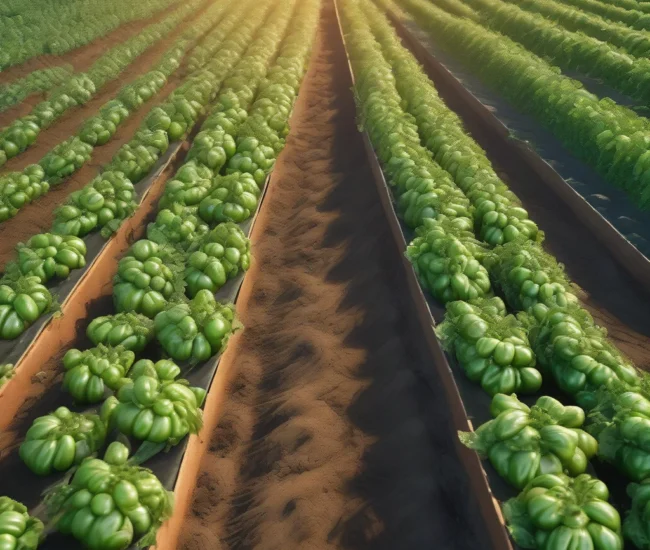
- Prepare raised beds that are 15 to 20 cm high. This single step addresses the core concern of tomato farming technique in low-lying areas of Bangladesh. Raised beds let excess water drain away from the root zone within hours instead of sitting for days.
- Keep plant spacing at 60 cm between plants and 90 cm between rows. Stake each plant with a bamboo T-frame to prevent wind damage in open delta fields.
- Install a light shade net over the plot during the first two weeks after transplanting to buffer unexpected heat spikes.
Fertilizer and Disease Management Schedule
A reliable tomato crop spacing and fertilizer schedule for Dhaka market growers follows a simple rhythm:
- At transplanting: apply 2 kg of urea, 1 kg of DAP, and 150 kg of well-decomposed farmyard manure per acre, split in two doses (half at planting, half at flowering).
- At the fruit-setting stage: add a balanced NPK mix at half the usual dose to support fruit load without weakening the canopy. Do not skip this step; it is when the plant needs both structural nitrogen and phosphate.
- Spray a copper-based fungicide preventively every 14 days once relative humidity exceeds 75 percent. Alternate with a biostimulant foliar feed such as sea-weed extract or neem solution to keep the spray routine varied and effective.
Monitor the lower leaves weekly. Yellowing with brown spots along the veins usually signals early blight, which thrives in the same humid pockets that make it hard to learn how to grow tomato in humid weather of Bangladesh generally. Remove affected leaves, improve airflow by pruning the lowest pair of branches, and apply the fungicide at the first sign of spotting rather than waiting for full lesions to spread.
Selling into Dhaka and Chittagong Markets
Buyers at the Dhaka wholesale bazar and the Chittagong fish-and-vegetable terminal look for three things: consistent fruit size around 70 to 90 grams, even ripening across the cluster, and clean surface quality without cracking. Early-maturing varieties that hit peak harvest between January and February enjoy better pricing because supply is still tight. Plan your sowing date so your fruiting peaks land in that window.
You can browse the full range of vegetable options available for the South Asian market at our vegetable seeds catalogue, which includes complementary crops like green chilli and cucumber that rotate well after tomato in the same field.
What About Seed Cost?
Farmers frequently search for tomato seed price in Bangladesh 2025, and here is honest context: quality F1 hybrid seed packets from reputable suppliers typically cost more upfront than open-pollinated local seed, but the yield gap and reduced crop-loss risk usually offset that difference within a single Rabi cycle. AgriBee Seeds Pvt Ltd packages its F1 lines in small quantities specifically for small and medium growers so the entry cost stays manageable for a half-acre plot.
Frequently Asked Questions About Tomato Farming in Bangladesh
- Q: Can I grow Rabi tomato on a five-deshi-kota plot without irrigation? A: Yes, if you build raised beds and mulch with rice straw. The mulch holds moisture and keeps weeds down. Time your transplanting just after the pre-Rabi rains subside so the soil has enough residual moisture for root establishment.
- Q: How do I protect my tomato crop from the short dry spells that happen mid-Rabi in the Chittagong hill tracts? A: Give one supplemental irrigation of about 4 litres per plant every 7 to 8 days during a ten-day dry stretch. A drip line laid along the row is the most water-efficient option if your budget allows it.
- Q: Is organic tomato farming viable in Bangladesh, and what should I substitute for chemical fungicide? A: It is viable but more labour-intensive. Replace copper sprays with weekly neem-oil emulsions at 5 ml per litre and use a thick layer of banana-leaf mulch to suppress soil-borne pathogens. Expect a 15 to 20 percent reduction in usable yield in the first season while the system stabilises.

