
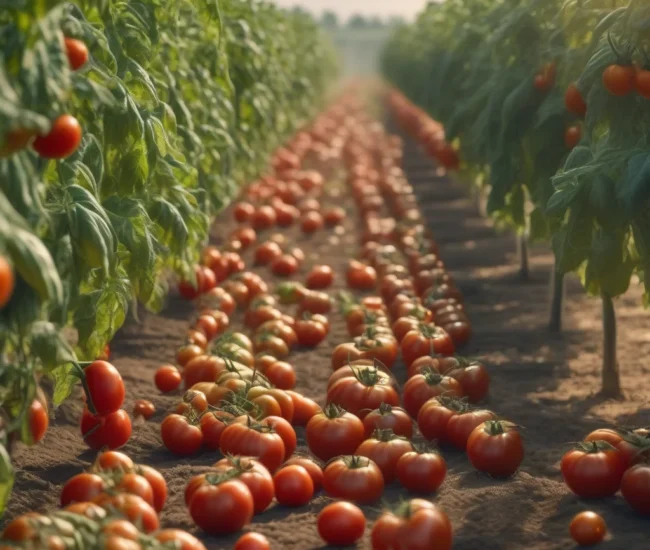
Tomato Farming in Kenya: A Complete Guide for Farmers and Agri-Dealers
Tomato farming in Kenya has become one of the most rewarding ventures for smallholder and commercial farmers alike. With rising demand across urban markets like Nairobi, Mombasa, and Nakuru, understanding how to grow tomatoes successfully is more important than ever. This guide covers everything from selecting the right best tomato varieties in Kenya to managing common diseases and building a profitable tomato farming business in Kenya.
Why Tomato Cultivation is Growing in Kenya
Kentucky’s climate, with its varied altitudes and distinct wet and dry seasons, provides ideal conditions for growing tomatoes year-round. The demand for fresh tomatoes in Kenyan markets has continued to increase, driven by population growth, urbanisation, and changing dietary habits. Additionally, processed tomato products are gaining popularity, creating further opportunities for local farmers.
A well-planned tomato cultivation in Kenya guide starts with understanding your agro-ecological zone, choosing suitable varieties, and following good agricultural practices. Whether you are farming in the highlands of Rift Valley or the coastal regions near Mombasa, there is a tomato variety suited to your conditions.
Choosing the Best Tomato Varieties in Kenya
Selecting the right tomato seeds is the foundation of a successful harvest. Farmers across Kenya look for varieties that offer high yield potential, good shelf life, and resistance to local pests and diseases. When investing in F1 hybrid tomato seeds Kenya, it is essential to choose hybrids that match your growing environment and market requirements.
AgriBee Seeds Pvt Ltd offers a range of premium vegetable seeds developed to meet the needs of East African farmers. Their F1 hybrid tomato varieties deliver strong performance in both open field and greenhouse conditions. These seeds are bred for high yield potential suited to the Kenyan market, good shelf life for transport to major cities like Nairobi and Mombasa, and tolerance to diseases common in humid coastal regions.
- Hybrid varieties suited for open field cultivation across central and western Kenya
- Greenhouse-friendly varieties that perform well under protected cultivation
- Disease-tolerant options that resist bacterial wilt and early blight
- Long shelf life fruit that withstands long-distance transport
How to Start Tomato Farming: Nursery and Transplanting
Starting your tomato farm begins with raising a healthy seedling nursery. Follow these practical steps recommended for Kenyan farmers:
- Use clean, well-drained nursery media such as a mix of topsoil, compost, and sand
- Sow seeds at a shallow depth of about half a centimetre
- Keep the nursery shaded and moist until germination occurs, usually within five to seven days
- Transplant seedlings after 3 to 4 weeks when they have developed four to six true leaves
- Choose healthy, uniform seedlings free from disease signs for transplanting
Transplanting during the cooler parts of the day helps reduce stress on young plants and improves establishment rates.
Field Preparation and Plant Management
Proper field preparation sets the stage for a productive tomato crop. Prepare raised beds or ridges to improve drainage, especially during the heavy rains common in many parts of Kenya. Space plants adequately to allow air circulation, which helps reduce fungal disease pressure.
Staking or trellising tomato plants is highly recommended for better crop management. This practice keeps fruit off the ground, reduces disease incidence, and makes harvesting more efficient. In Kenya’s high rainfall zones, staking also helps prevent fruit rot caused by soil splash.
Consistent irrigation is crucial, particularly during flowering and fruit set stages. Drip irrigation is increasingly popular among serious tomato farmers in Kenya because it delivers water directly to the root zone and minimises leaf wetness, reducing disease risk.
Common Diseases and How to Manage Them
Tomato farmers in Kenya frequently encounter challenges from bacterial wilt and early blight. These diseases can significantly reduce yield if not managed properly. Choosing disease resistant tomato varieties for humid areas Kenya is one of the most effective strategies to protect your crop.
Integrated pest and disease management should include the following practices:
- Rotate tomato crops with non-host plants such as legumes or cereals to break disease cycles
- Remove and destroy infected plant material promptly to prevent spread
- Apply appropriate fungicides and bactericides according to extension service recommendations
- Maintain good field hygiene by controlling weeds and clearing debris
- Monitor crops regularly for early symptoms of disease
Varieties with built-in disease tolerance give farmers a significant advantage, particularly in the coastal belt where humidity favours fungal and bacterial development.
Building a Profitable Tomato Farming Business in Kenya
Many farmers view tomato farming business in Kenya as a viable pathway to improved income. Success depends on careful planning, access to reliable seed supplies, and understanding market dynamics. Timing your planting to coincide with periods of low supply in local markets can significantly improve your profits.
Consider the following tips for improving profitability:
- Source quality seeds from reputable suppliers like AgriBee Seeds Pvt Ltd to ensure germination and vigour
- Explore off-season production using greenhouse structures to command higher prices
- Build relationships with market agents and cooperatives for steady sales channels
- Keep records of input costs and output to track your returns accurately
- Start with a manageable plot size and expand as you gain experience
Greenhouse Tomato Farming in Kenya
Greenhouse tomato farming Kenya is gaining traction among commercial growers seeking consistent yields throughout the year. Protected cultivation allows farmers to control temperature, humidity, and irrigation precisely, leading to healthier plants and earlier fruiting.
If you are considering greenhouse production, invest in varieties specifically bred for controlled environment agriculture. AgriBee Seeds Pvt Ltd provides F1 hybrid tomato seeds that perform well under greenhouse conditions. These varieties are selected for their ability to produce consistently under managed conditions, making them ideal for investors and agri-dealers serving greenhouse farmers.
Where to Buy Quality Tomato Seeds in Kenya
Finding reliable seed suppliers is critical for any successful tomato farming venture. Farmers and agri-dealers in Kenya should prioritise certified F1 hybrid seeds that come from trusted companies with a track record in the region. Visit AgriBee Seeds F1 Hybrid Tomato to explore varieties designed for the unique challenges and opportunities of the Kenyan market.
Frequently Asked Questions
What is the best time to start tomato farming in Kenya?
The best time depends on your location and rainfall pattern. In most highland areas, farmers plant at the onset of the long rains in March or April, or during the short rains in October. Greenhouse farmers can produce tomatoes year round with proper climate management.
How much can a farmer earn from tomato farming in Kenya?
Earnings vary based on variety choice, management practices, and market prices. Farmers using quality F1 hybrid seeds and good agronomic practices have reported strong returns, especially when they time their harvests for periods of market scarcity.
Are disease-resistant tomato varieties available for coastal farming in Kenya?
Yes. Several F1 hybrid tomato seeds Kenya suppliers offer varieties with tolerance to diseases prevalent in humid coastal areas. AgriBee Seeds Pvt Ltd provides options that combine disease resistance with good shelf life and yield potential suited to Kenya’s export and domestic markets.

