
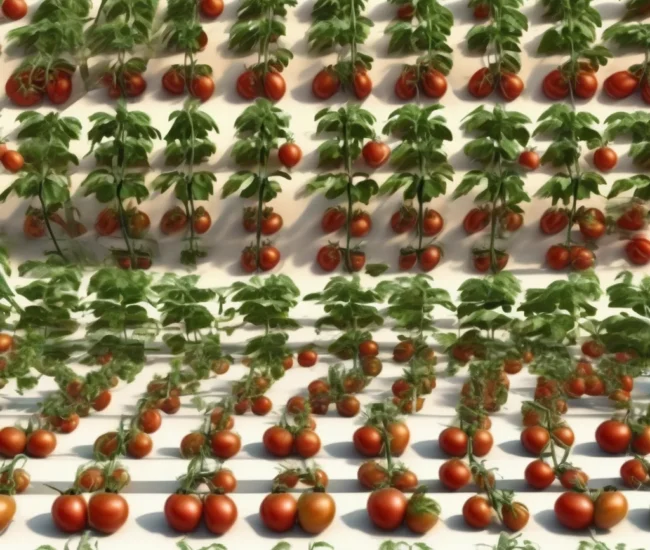
Tomato Farming in Kenya: A Complete Guide for High-Yield Harvests
Tomato is one of the most demanded vegetable crops across Kenya, supporting both fresh market sales and agro-processing. From local markets in Nairobi to export chains reaching Mombasa, farmers who choose well-adapted varieties and follow sound cultural practices see steady returns. This guide shares practical insights for English-speaking farmers and agri-dealers looking to improve productivity, manage common diseases, and build profitable tomato operations.
Why tomato farming remains attractive in Kenya
Kenya’s varied climate zones allow growers in Central, Rift Valley, Western, and Coast regions to produce tomatoes year-round with good planning. Consumer demand is strong, and supply chains are well developed for fresh fruit distribution. Choosing the right seed helps offset risks from temperature swings, pest pressure, and disease. Modern vegetable seeds with balanced vigor and reliable ripening patterns give farmers a clearer path to market-ready yields.
Key factors that shape success on Kenyan farms
- Variety fit: Select types suited to your region, whether open field or greenhouse, and match them to your target market.
- Soil and nutrition: Well-drained soils with adequate organic matter support steady root development and fruit set.
- Water consistency: Regular irrigation reduces fruit cracking and improves uniformity, especially during dry spells.
- Disease awareness: Monitoring early signs of bacterial wilt and early blight saves time and limits crop losses.
- Crop management: Proper spacing, staking, and pruning lead to cleaner fruit and easier harvests.
Choosing the right tomato seeds for Kenyan conditions
When searching for the best tomato seeds for coastal Kenya, focus on varieties that perform under humid growing seasons and tolerate common foliar diseases. Growers also look for disease resistant tomato seeds for humid regions Kenya because moisture-driven pressure can be intense along the coast. For those exploring options for broader adoption, evaluating F1 hybrid tomato varieties for open field Kenya provides a balance of field adaptability and consistent market quality.
AgriBee Seeds Pvt Ltd offers a range of F1 Hybrid Tomato selections bred for strong field performance and post-harvest reliability. These varieties support growers who want dependable plant architecture, good fruit set, and acceptable shelf life for long-distance transport.
Planning for cost efficiency and market returns
Many farmers research the tomato farming cost per acre Kenya before committing resources. While exact costs vary by county and season, typical expenses include land preparation, seed, staking material, irrigation setup, fertilizers, plant protection inputs, labor, and harvest packaging. Understanding these categories helps you budget realistically and avoid unnecessary spending. A well-managed plot can reduce losses through timely interventions rather than relying on costly补救 measures later.
Setting up a healthy tomato nursery in Kenya
A common question among new growers is how to start tomato nursery in Kenya effectively. Begin with clean, disease-free seeds and use a fine, well-drained seedbed or trays. Maintain consistent moisture without waterlogging, and protect young seedlings from heavy rain and strong sun. Transplanting is usually best after 3 to 4 weeks, when seedlings have several true leaves and a sturdy stem. Hardening off for a few days before field transplant improves survival rates and supports steady early growth.
Irrigation and fertility management
Consistent watering is essential, particularly during flowering and fruit set. Drip irrigation or frequent light watering reduces stress and helps prevent blossom-end rot and fruit splitting. Fertility should be based on soil health and expected yield goals. Balanced nutrition, adequate calcium availability, and regular monitoring keep plants vigorous. Farmers who study tomato cultivation practices for Nairobi farmers often emphasize structured watering schedules and careful nutrient timing to maintain steady fruit development throughout the season.
Staking, training, and pest-disease monitoring
Supporting plants with stakes or trellises improves air circulation, reduces fruit contact with soil, and makes harvesting easier. Proper pruning removes excess suckers and maintains plant structure, which is especially useful in denser plantings. Because bacterial wilt and early blight are widespread concerns, regular field scouting is important. Rotate crops where possible, remove affected plant residue promptly, and follow integrated management practices suited to your region.
Matching varieties to local production systems
Kenyan growers benefit from selecting tomato types aligned with their market channels. Some farmers prefer determinate or compact varieties suited to open-field production, while others opt for indeterminate types in greenhouse environments for longer harvest windows. When evaluating profitable tomato farming in Kenya 2024, consider not only yield potential but also fruit firmness, uniform ripening, and handling quality. Reliable post-harvest performance matters for deliveries to urban markets and regional distributors.
Practical tips for steady field performance
- Begin with certified seed and source from reputable suppliers who provide clear Variety and Crop information.
- Prepare seedbeds in clean areas and sterilize tools to lower disease risk.
- Space plants according to variety guidelines to balance canopy cover and airflow.
- Apply mulch where appropriate to conserve moisture and reduce soil splash.
- Harvest at the correct maturity stage for your market, and handle fruit gently to preserve quality.
Working with agri-dealers and seed suppliers
Agri-dealers play a vital role in helping farmers access adapted seed, accurate agronomy advice, and timely input guidance. When you partner with trusted brands such as AgriBee Seeds Pvt Ltd, you gain access to seedlots tested for vigor and disease tolerance. Clear labeling, responsive technical support, and consistent supply help dealers and farmers plan cropping calendars with confidence.
Common questions about tomato farming in Kenya
Which tomato varieties work best for humid coastal areas?
For coastal production, choose varieties with documented tolerance to humid-condition diseases and strong fruit-setting ability under variable temperatures. Look for seeds rated for field stability and post-harvest durability, and consult local agronomists to confirm suitability for your specific farming zone.
How can smallholder farmers manage tomato farming costs in Kenya?
Cost control starts with careful planning. Use certified seed to reduce thinning and replanting, invest in efficient irrigation, and adopt staking systems that improve airflow and simplify pruning. Monitoring disease pressure early and applying input recommendations precisely can reduce waste and protect yield potential.
What are the main challenges in tomato farming for Nairobi and surrounding regions?
Growers in the Nairobi corridor often face variable rainfall patterns, high market-quality expectations, and disease pressure that requires vigilant scouting. Consistent irrigation scheduling, crop rotation, and prompt residue management help mitigate risks. Working closely with experienced seed suppliers and extension advisors supports better decision-making throughout the season.
Tomato farming in Kenya rewards careful variety selection, disciplined field management, and steady attention to market requirements. By aligning seed choice with local conditions and following practical agronomic steps, farmers and agri-dealers can build resilient cropping systems that deliver consistent returns across seasons.

