Bottle Gourd Farming Guide: Practical Steps from Seeds to Harvest
Cultivating bottle gourd, known as lauki or doodhi, is a common and rewarding practice for many Indian farmers. This versatile vegetable thrives in our warm climate and forms a staple in countless kitchens. Successful cultivation begins with the right foundation: selecting good quality bottle gourd seeds. These seeds determine the initial health and potential of your crop. This guide offers practical steps for growing bottle gourd, from preparing the land to harvesting the fruits, focusing on methods that support healthy plant development and uniform produce.
Starting with the Right Foundation: Land and Seeds
The journey to a good bottle gourd harvest starts well before planting. Choose a field that receives plenty of sunlight and has soil that drains water easily. While bottle gourd vines are resilient, they do not tolerate standing water, especially when young. Enriching the soil with well-rotted farmyard manure or compost improves its structure and provides nutrients for healthy vine growth. This initial care helps the plants establish a strong root system.
For consistent results, many farmers find that using certified hybrid seeds is a useful choice. These seeds are bred for specific traits that can benefit cultivation. You can explore a range of quality vegetable seeds suitable for different growing conditions. Starting with reliable seeds is a form of quality seed support that lays the groundwork for the entire growing season, especially for those focused on commercial lauki cultivation.
Planting and Supporting the Vine Growth
Bottle gourd is typically grown during the summer and monsoon seasons. Seeds can be sown directly in prepared pits or nursed in small pots for later transplantation. Ensure the soil is moist at the time of sowing. A key factor for success is managing the space for the vines to spread. Bottle gourd plants are vigorous climbers and need room to grow.
You have two main options: letting the vines trail on the ground or training them on a support system. If allowing them to trail, provide wide spacing between plants to ensure good air circulation and prevent fruit rot. For better crop coverage and healthier fruits, providing support like a pandal or trellis is highly effective. This method keeps the fruits clean, minimizes pest contact, and makes vineyard management tasks easier. Proper spacing or support directly influences air flow and sunlight exposure, leading to more uniform fruit development.
Nurturing the Crop for Healthy Development
Consistent watering is crucial, particularly during flowering and fruit setting. However, it is vital to avoid waterlogging during early plant growth, as this can stunt the seedlings or cause root diseases. The mantra is to keep the soil moist but not saturated. A light mulch around the base can help retain soil moisture and suppress weeds.
As the vines grow, they will benefit from occasional feeding. Applying a balanced dose of nutrients after the vines start to run and again at the flowering stage can support healthy vine growth for better crop coverage. Always follow recommended practices for fertiliser application based on your soil’s condition. Regular, light weeding helps reduce competition for resources without disturbing the widespread roots of the vine.
Harvesting at the Right Stage
Knowing when to harvest is critical for market success. Bottle gourds should be harvested while they are still tender. The ideal stage is when the fruit is young, the skin is soft and green, and the seeds inside are still immature. Harvesting tender fruits at the market-preferred stage ensures better taste, texture, and price. If left too long on the vine, the fruit becomes hard, fibrous, and less desirable for cooking.
Use a sharp knife or secateurs to cut the fruit from the vine, leaving a small portion of the stem attached. Regular harvesting encourages the plant to produce more fruits over a longer period. This practice of timely picking is essential for achieving uniform fruit development for easier marketing, as it provides a consistent product that meets buyer expectations.
Why Focus on Seed Quality and Method
For a seasonal vegetable grower, efficiency and reliability matter. Investing in good quality seeds and following structured practices can make the difference between a mediocre and a satisfactory crop. Quality bottle gourd seeds germinate more uniformly, leading to an even stand of plants in the field. This uniformity simplifies management tasks like irrigation and fertiliser application. Companies like AgriBee Seeds Pvt Ltd focus on providing seeds that support such practical farming goals.
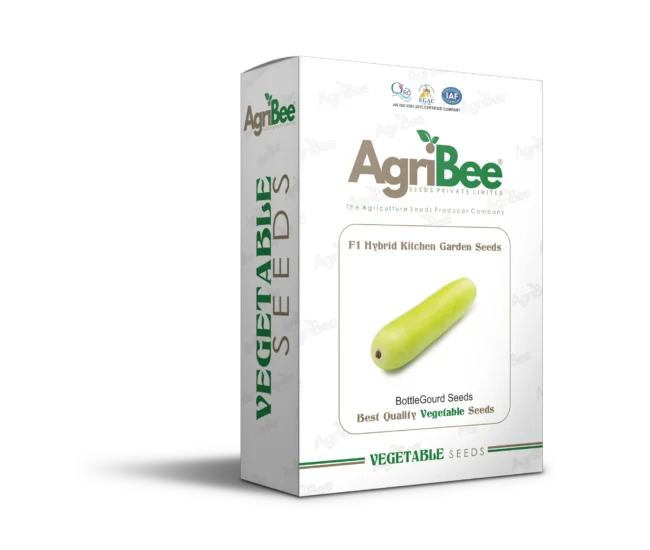
For instance, specific hybrid varieties are developed to offer predictable plant habits and fruit characteristics. This can be particularly helpful for farmers. You can learn more about one such option, the F1 Hybrid Bottlegourd seeds, which are bred for certain cultivation advantages. Ultimately, combining quality seeds with attentive field management creates a strong foundation for a productive bottle gourd plot.
Frequently Asked Questions
What is the best time to sow bottle gourd seeds?
The ideal time is during the warm seasons. In most parts of India, seeds can be sown from January to March for summer crops and June to July for the rainy season crop. Avoid cold temperatures during germination.
How much spacing do bottle gourd plants need?
If training on a pandal, space plants about 2-3 feet apart in rows that are 5-6 feet apart. For trailing on the ground, provide wider spacing of 6-8 feet between plants and 8-10 feet between rows to allow vines to spread.
How often should bottle gourd be watered?
Water deeply every 4-5 days during dry periods, ensuring the soil is moist but not waterlogged. Increase frequency slightly during peak flowering and fruiting. Reduce watering as the fruits near maturity to concentrate flavours.