

Greengram Seeds: Practical Moong Cultivation Tips for Indian Farmers

greengram seeds

Greengram Seeds: Moong Cultivation Tips for Indian Farmers

Greengram, commonly known as moong, is a vital pulse crop across India. Its cultivation offers farmers a practical and profitable option, especially when integrated into thoughtful crop planning. This short-duration legume fits well into various cropping systems, providing a valuable break between main cereal crops. For farmers looking to diversify and maintain soil vitality, growing moong is a sensible choice. By focusing on a few key management practices, from selecting quality greengram seeds to timely harvesting, farmers can improve their plant stand and overall crop performance. This article shares straightforward tips for cultivating this beneficial pulse.

Why Greengram Fits Indian Farming Systems

Greengram cultivation holds a special place in sustainable Indian agriculture. As a pulse crop, it plays a crucial role in crop rotation strategies. Its ability to fix atmospheric nitrogen helps in improving soil health and fertility for subsequent crops, reducing the need for synthetic fertilizers. This makes it a useful component for maintaining long-term field productivity.

Furthermore, its short growth duration allows farmers to plan effectively. It can be grown in multiple seasons, including Kharif, Rabi, and even as a summer crop in regions with irrigation facilities. This flexibility makes it a suitable option for farmers planning seasonal pulse cultivation to meet market demand and enhance farm income without a long-term land commitment. A successful start, however, relies heavily on establishing a better plant stand, which begins with the selection of quality seed.

Starting Right: Seed Selection and Sowing

The foundation of a good greengram harvest is laid before a single seed touches the soil. Using clean, certified seed of a recommended variety for your region is non-negotiable. High-quality greengram seeds ensure good germination, vigor, and a uniform crop, which is easier to manage. Always source seeds from reputable suppliers like AgriBee Seeds Pvt Ltd to ensure genetic purity and good physiological health.

Choosing the right sowing window for your region is critical. For Kharif cultivation, sowing is typically done with the onset of the monsoon, from late June to July. For Rabi/summer cultivation, sowing time varies from February to April, depending on the availability of irrigation and the local climate to avoid frost. Adhering to the recommended seed rate, usually around 10-12 kg per acre for the bushy varieties, ensures optimal plant population without wasteful competition.

Field Preparation and Nutrient Management

Greengram thrives in well-drained loamy to sandy loam soils. The field should be prepared to a fine tilth to facilitate good seed-soil contact and root development. Since it is a legume, greengram has modest nitrogen requirements. However, applying a basal dose of Phosphorus (P) and Potassium (K) as per soil test recommendations is beneficial for healthy growth and pod development. Well-decomposed farmyard manure can also be incorporated during land preparation to improve soil structure and water-holding capacity.

One of the most practical tips for pulse cultivation is to avoid excessive irrigation. Greengram is relatively drought-tolerant, and waterlogging is detrimental. Light irrigation at the time of flowering and pod development is usually sufficient if rainfall is inadequate. The key is to maintain adequate soil moisture without saturating the field, which can invite root diseases and hamper nitrogen fixation.

Protecting the Crop: Vigilance Against Pests and Diseases

Early-stage crop monitoring is essential for a healthy stand. Farmers must watch for yellow mosaic virus, a common disease transmitted by whiteflies. Symptoms include bright yellow patches on leaves, stunted growth, and reduced pod set. Managing whitefly populations through recommended practices and using resistant varieties is the best defense.

Pest pressure, particularly from pod borers and aphids, can also affect the crop in its early and pod-forming stages. Regular field scouting helps in early detection. Integrated Pest Management (IPM) strategies, which may include cultural practices and the judicious use of approved interventions only when pest thresholds are crossed, are advised for sustainable control. Maintaining field sanitation by removing infected plant debris from previous crops can reduce initial pest and disease load.

Harvesting and Post-Harvest Care

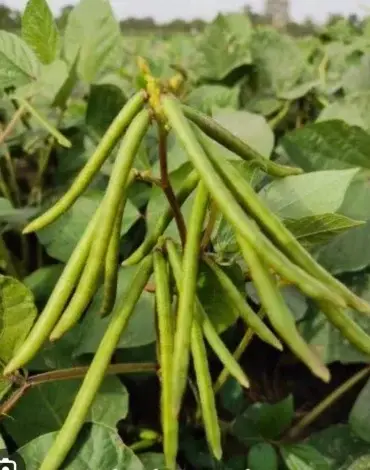
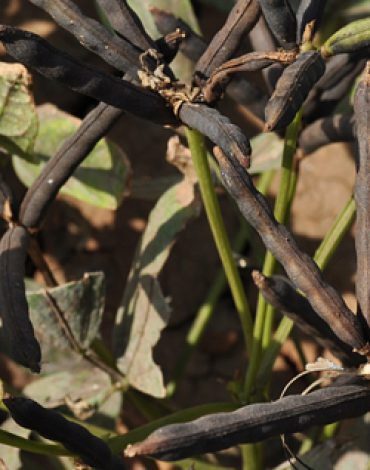
Greengram matures quickly, often within 60-75 days for some varieties. The crop is ready for harvest when most pods turn black or dark brown and feel dry to the touch. Harvesting is best done in the morning to avoid pod shattering. The plants are cut, dried on the threshing floor, and then threshed manually or with a mechanical thresher.

After threshing, the seeds should be cleaned and dried to a moisture content of around 10-12% for safe storage. Proper drying prevents the growth of mold and maintains seed viability if the produce is to be used as seed for the next season. Storing seeds in airtight containers in a cool, dry place protects them from storage pests.

Frequently Asked Questions (FAQ)

What is the best season to sow greengram?
The best season depends on your region and irrigation. In most parts of India, it is sown in Kharif (June-July) with the monsoon. It can also be grown in Rabi/Summer (Feb-April) with assured irrigation, avoiding frost periods.

How does greengram benefit the soil?
Greengram is a legume that fixes atmospheric nitrogen through root nodules. This process enriches the soil with nitrogen, improving fertility for the next crop and making it an excellent choice for crop rotation to maintain soil health.

Why is my moong crop turning yellow?
Yellowing, especially in a mosaic pattern, is often a symptom of Yellow Mosaic Virus transmitted by whiteflies. Using resistant seed varieties and managing whitefly populations early in the season are crucial preventive steps. Always start with healthy, quality seeds from a trusted source.

For farmers interested in exploring quality seed options and detailed cultivation insights, you can learn more about greengram farming practices on our resource page. To explore a range of seeds suited for your farm, visit the AgriBee website for more information.