
Monsoon Crops in Gujarat – A Farmer’s Guide by AgriBee Seeds Pvt Ltd
The arrival of the monsoon is a lifeline for agriculture in India, and monsoon crops in Gujarat play a critical role in feeding the nation. As one of the leading agricultural states, Gujarat witnesses a seasonal transformation during kharif season, bringing in a wave of sowing, hope, and harvest.
At AgriBee Seeds Pvt Ltd, we take pride in empowering farmers with high-quality seeds that thrive in Gujarat’s monsoon climate. From cotton to groundnut, from pulses to coarse cereals — the diversity of monsoon crops in Gujarat reflects the strength of our soil, the resilience of our farmers, and the quality of our seeds.
⸻
🌧️ Why Are Monsoon Crops Important in Gujarat?
Gujarat receives most of its annual rainfall during June to September. This period is crucial for kharif cultivation, and the state’s economy is closely tied to the success of monsoon crops in Gujarat. Reliable rainfall, combined with drought-tolerant seed varieties, boosts yield and ensures food security.
⸻
🌿 Top Monsoon Crops in Gujarat
Here are some of the most widely cultivated monsoon crops in Gujarat:
1. 🌱 Cotton
Gujarat is India’s largest cotton producer. Our high-germination cotton seed varieties are tailor-made to withstand unpredictable rain cycles.
2. 🥜 Groundnut
One of the major monsoon crops in Gujarat, groundnut is grown extensively in Saurashtra. AgriBee’s groundnut seeds offer disease resistance and high oil content.
3. 🌾 Paddy (Rice)
While not as common as in eastern states, certain districts like Valsad and Navsari grow monsoon rice under irrigated and rain-fed conditions.
4. 🌻 Sesame & Soybean
With increasing demand for oilseeds, soybean and sesame are emerging as profitable monsoon crops in Gujarat. AgriBee offers certified and research-grade seed options.
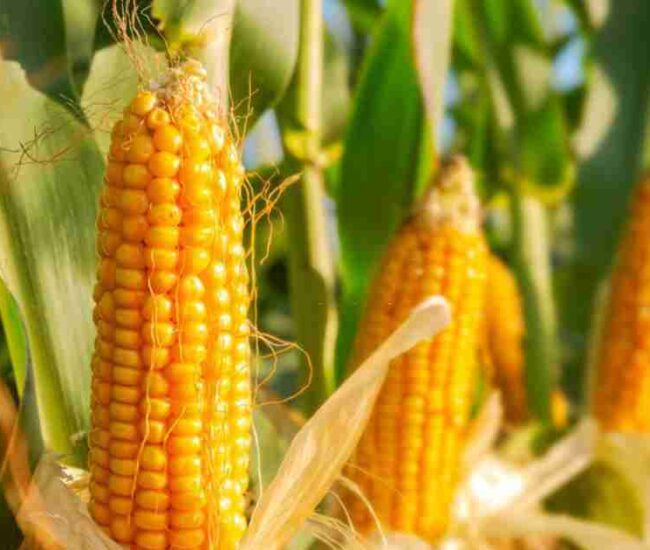
5. 🌽 Maize
Both hybrid white and yellow maize varieties thrive during the monsoon. AgriBee’s Hybrid Maize 111 has seen outstanding results across Gujarat.
6. 🌶️ Chillies & Pulses
In regions with well-drained soil, green gram, black gram, and chilli are gaining popularity as secondary monsoon crops in Gujarat.
⸻
🧪 AgriBee’s Role in Boosting Monsoon Crop Yields
As a top seed company in Gujarat and a trusted brand across India, AgriBee Seeds Pvt Ltd is committed to delivering climate-resilient and high-yielding seeds. Our research-backed varieties are carefully tested for performance under monsoon conditions. Whether it’s pest resistance, seed purity, or strong germination — our seeds ensure success.
With a strong presence in Rajkot, Saurashtra, and across the state, we support farmers throughout the monsoon crop cycle — from seed to harvest.
⸻
🛒 Where to Buy the Best Seeds for Monsoon Crops in Gujarat?
Farmers can contact AgriBee Seeds Pvt Ltd directly or visit their nearest distributor to get:
• Hybrid maize
• Certified groundnut
• Oil seeds
• Pulses
• Vegetable seeds
…all tested and suitable for monsoon crops in Gujarat.
📞 Call us: +91 89800 89908
🌐 Visit: www.agribee.in
⸻
🌱 Final Thoughts
With shifting weather patterns and rising demand, choosing the right variety of monsoon crops in Gujarat has never been more crucial. At AgriBee Seeds Pvt Ltd, we’re not just selling seeds — we’re cultivating trust, season after season. If you’re a farmer looking to maximize your kharif potential, it’s time to choose AgriBee — your partner in prosperity.
Monsoon Crop Planning Tips for Gujarat Farmers
Gujarat receives monsoon rainfall primarily from June to September, and this window is critical for kharif crop establishment. Farmers should prepare their fields before the first showers arrive. Land preparation includes deep ploughing, levelling, and adding organic matter to improve soil moisture retention.
The Saurashtra and North Gujarat regions typically receive moderate rainfall, so farmers here should choose drought-tolerant varieties. South Gujarat receives heavier rainfall, which supports a wider range of crops including paddy and sugarcane.
Best Monsoon Crops for Different Gujarat Regions
-
Saurashtra: Groundnut, sesame, pigeon pea, and cotton are the most reliable choices for this region.
-
North Gujarat: Groundnut, castor, maize, and cumin perform well in the moderate rainfall zone.
-
South Gujarat: Paddy, sugarcane, soybean, and vegetables thrive in the higher rainfall areas.
-
Central Gujarat: A mix of pulses, oilseeds, and cotton works well depending on soil type.
Seed Selection for Monsoon Season
Choosing the right seed variety is the most important decision before sowing. Farmers should consider the local rainfall pattern, soil type, market demand, and crop duration. Early-maturing varieties help in areas where monsoon retreats early. For areas with erratic rainfall, drought-tolerant varieties are a safer investment.
AgriBee Seeds offers a range of monsoon-suited seeds including greengram seeds, blackgram seeds, sesame seeds, and various vegetable seeds suited for kharif season.
Water Management During Monsoon
While monsoon provides natural irrigation, excess water can damage crops. Farmers should ensure proper drainage in their fields. Waterlogging can cause root rot and fungal diseases. Raised bed farming and channel irrigation help manage water effectively during heavy rainfall periods.
Common Monsoon Crop Diseases and Prevention
-
Leaf spot and blight: Common in groundnut and sesame during humid conditions. Use resistant varieties and avoid overhead irrigation.
-
Yellow mosaic virus: Affects pulses and vegetables. Remove infected plants early and control whitefly population.
-
Root rot: Caused by waterlogging. Improve drainage and use treated seeds.
-
Stem borer: Affects maize and paddy. Use pheromone traps and follow IPM practices.
Market Planning for Monsoon Harvest
Smart farmers plan their marketing strategy before sowing. Understanding market prices, connecting with buyers, and knowing the best time to sell can significantly improve farm income. For pulse crops like greengram and blackgram, government procurement prices and MSP rates should guide selling decisions.

