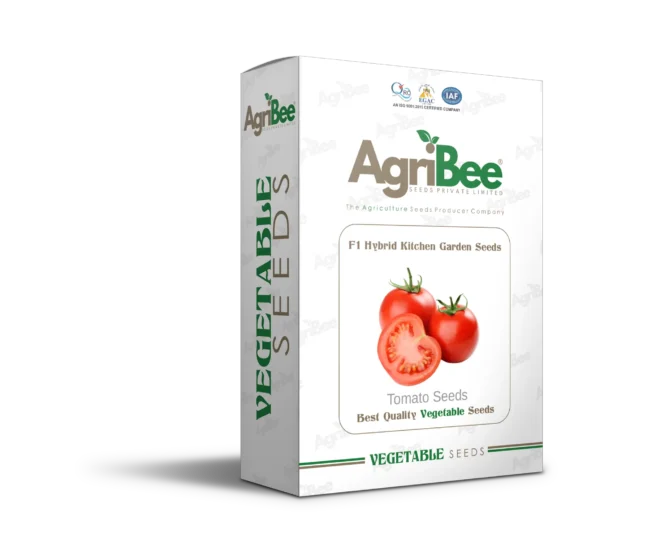
Making the Right Choice in Hybrid Tomato Seeds for Your Farm
For tomato farmers across India, selecting the right seed is the first and most critical step towards a successful season. Hybrid tomato seeds in India have become a cornerstone of modern cultivation, offering distinct advantages that help manage risk and improve market returns. This choice goes beyond just picking a packet; it involves understanding how a particular hybrid will perform in your local conditions and align with your farming goals. A thoughtful selection sets the foundation for the entire crop cycle, influencing everything from plant health to the final fruit that reaches the market.
What to Look for When Choosing Hybrid Tomato Seeds
The ideal hybrid tomato seed for your farm is one that matches your environment and commercial objectives. First, consider the growth habit. Determinate varieties, which grow to a fixed height and set fruit in a concentrated period, are excellent for mechanical harvesting and single-pick operations. Indeterminate varieties keep growing and fruiting throughout the season, suitable for staggered harvests where labour is regularly available. Your choice here directly impacts your harvest schedule and labour planning.
Next, and crucially, is fruit quality tailored to your target market. The preferences for tomato size, shape, colour, and firmness can vary significantly from region to region. Some local markets favour large, ribbed tomatoes for cooking, while others may demand smaller, round, and firmer fruits for salads or processing. Observing what sells best in your nearest mandi is a key part of the selection process. Choosing a hybrid known for fruit characteristics that meet local demand can make sales smoother and more profitable.
A major benefit of reliable hybrid seeds is plant uniformity. When plants grow at a similar pace, have consistent height, and fruit sets around the same time, it makes crop management significantly easier. Tasks like irrigation, spraying, and harvesting become more efficient. This uniformity allows for better planning in commercial tomato cultivation, helping you forecast labour needs and market deliveries more accurately. It also builds confidence in your seed source, informing repeat sowing decisions for subsequent seasons. Companies like AgriBee Seeds Pvt Ltd focus on developing hybrids that deliver this reliable performance for Indian farmers.
Key Stages for Success with Hybrid Tomato Plants
Once you have selected your seeds, proper crop management is essential to realise their full potential. These practical tips focus on the foundational practices that support healthy growth.
Start with a Strong Foundation: The Nursery
Always raise healthy seedlings in a clean, protected nursery. Use sterile seedling trays or pots with a well-draining potting mix. This initial care prevents damping-off and other soil-borne diseases from affecting your young plants. Ensure the nursery gets adequate sunlight and water the seedlings gently. A robust seedling is the best start for any hybrid tomato plant.
Ensure a Smooth Transition: Transplanting
Transplant at the right stage for faster establishment. Seedlings are typically ready when they have 4-5 true leaves and a strong root system. Avoid letting them become root-bound or too tall and leggy. Transplant in the late afternoon or on a cloudy day to reduce transplant shock. Water the seedlings thoroughly immediately after planting to help their roots settle into the new soil.
Support Growth and Yield: Nutrition and Water Management
Use balanced nutrition during flowering and fruit setting. While a good base of farmyard manure is vital, a balanced NPK fertiliser applied as per soil test recommendations supports vigorous growth. Pay special attention during the flowering phase, as adequate phosphorus and potassium are crucial for good fruit set and development. Avoid excess nitrogen during this stage, as it can promote leafy growth at the expense of fruits.
It is also critical to avoid excess water around the roots during sensitive stages like flowering and early fruit development. Consistent moisture is important, but waterlogged conditions can lead to flower drop, fruit cracking, and root diseases like wilt. Ensure your field has proper drainage. Drip irrigation is an excellent method to provide water directly to the root zone without wetting the foliage, which also helps prevent many fungal diseases.
Finding Quality Seeds for Your Farm
Your seed source matters. Purchasing from reputable companies and authorised dealers ensures you get genuine seeds with the promised genetic potential. Look for suppliers with a track record in your region. It is wise to start with a small trial of a new hybrid variety on a portion of your land to observe its performance under your specific farm conditions before committing to large-scale sowing. For a range of options suited to kitchen gardens and larger plots, you can explore quality vegetable seeds from trusted sources.
For instance, specific hybrids are bred for traits like heat tolerance, disease resistance, or particular fruit types. One such option that demonstrates focused breeding is the F1 hybrid tomato seed, which is developed to offer uniformity and reliable performance for growers.
Frequently Asked Questions
How are hybrid tomato seeds different from desi or open-pollinated seeds?
Hybrid seeds are created by crossing two genetically distinct parent lines to combine desirable traits like higher yield, uniformity, or disease resistance. They often show more vigour and consistency than open-pollinated varieties. However, seeds saved from hybrid fruits will not grow true to type, so new seeds must be purchased each season.
Can I grow hybrid tomatoes in the rainy (kharif) season?
Yes, but selection is key. For the kharif season, it is essential to choose hybrids specifically bred for disease resistance, particularly against bacterial wilt and early blight, which are prevalent in warm, wet conditions. Ensure the field has raised beds and excellent drainage to prevent water stagnation around the roots.
What is the most common mistake farmers make with hybrid tomatoes?
A common oversight is not providing adequate support, especially for indeterminate varieties. Without proper staking or caging, plants can sprawl, leading to fruit rot, disease susceptibility, and difficult harvesting. Providing support improves air circulation, keeps fruits clean, and makes plant management much more efficient.