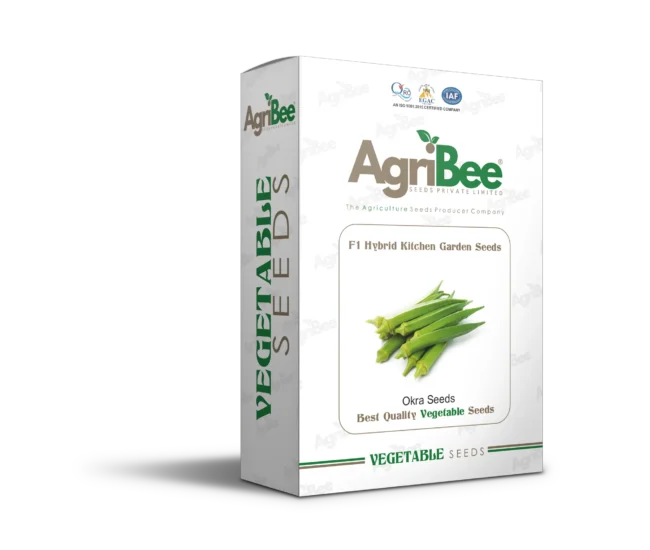
F1 Hybrid Okra Seeds: A Farmer Guide for a Better Bhindi Crop
Okra, or bhindi, is a staple vegetable in Indian kitchens and a valuable crop for farmers. Achieving a healthy, uniform, and productive harvest often starts with the right seed choice. F1 hybrid okra seeds have become a preferred option for many growers seeking reliability and quality. This guide offers practical advice for farmers looking to cultivate a successful bhindi crop using these seeds.
Why Consider F1 Hybrid Okra Seeds
Choosing the right seed is the first step toward a good harvest. F1 hybrid okra seeds are developed by crossing two pure parent lines to combine their best traits. The result is a seed that offers several practical advantages for cultivation.
One of the first benefits you’ll notice is strong early plant vigor. The seedlings emerge with energy, establishing a robust root system and healthy initial growth. This gives the crop a good start, which is crucial for facing seasonal challenges later on.
Another significant advantage is pod uniformity. Plants grown from F1 hybrid seeds tend to produce pods that are consistent in size, shape, and maturity. This uniformity supports more efficient harvesting and makes grading for the market easier, potentially leading to better returns.
These seeds are bred with farming conditions in mind. They often show better suitability for the diverse climates and soil types found across India, from the northern plains to the southern peninsular regions. This adaptability makes them a reliable seed choice for farmers, nurseries, and dealers looking for consistent performance season after season. You can explore our range of vegetable seeds to find options suited to your region.
Practical Steps for Planting and Growing
Success with any seed depends on good field management. Here are some fundamental practices to follow when planting F1 hybrid okra seeds.
Prepare the Land and Seed Bed
Okra thrives in well-drained, fertile soil. Begin by plowing the field to a fine tilth. Remove weeds, stubble, and stones from the previous crop. Prepare a fine seed bed with proper drainage to prevent waterlogging, which can harm germination and young roots. Incorporating well-decomposed farmyard manure or compost during land preparation enriches the soil with organic matter.
Sowing and Plant Spacing
Sowing time varies by region but generally aligns with warm conditions after the last frost. The seeds germinate best when soil temperatures are warm. Use recommended spacing to avoid overcrowding. A common spacing is 45 to 60 cm between rows and 25 to 30 cm between plants. Proper spacing ensures each plant gets adequate sunlight, air circulation, and nutrients, reducing competition and the risk of disease.
For specific high-performing varieties, you can refer to detailed information on products like our F1 hybrid okra seed page for guidance.
Water and Nutrient Management
Moisture is critical, especially in the early stages. Keep moisture steady during germination and early growth. Light, frequent irrigations are better than heavy, infrequent ones that can cause crusting or root stress. Once established, okra is relatively drought-tolerant, but consistent moisture during flowering and pod development supports better yield and quality.
A balanced approach to nutrients is key. Along with basal manure, a side dressing of fertilizers as per local soil test recommendations can support plant growth. Avoid excessive nitrogen, which can promote leafy growth at the expense of pods.
Monitoring and Protecting the Crop
Regular field visits are essential to catch issues early. Okra can be affected by pests like jassids, aphids, and fruit borers.
Monitor sucking pests closely, as they can weaken plants and affect pod quality. Look for signs like yellowing leaves or sticky honeydew. It is important to follow local crop advisory when needed for pest or disease management. Your nearest Krishi Vigyan Kendra or agricultural extension officer can provide specific, region-appropriate guidance on integrated pest management strategies.
Weed control, especially in the initial 4-6 weeks, is vital. Shallow hoeing can remove weeds and aerate the soil without damaging the okra’s shallow roots.
Harvesting for Quality and Continuity
Harvesting begins when pods are tender, usually 4-6 days after flowering, depending on the variety. Pods should be picked regularly, every 2-3 days, to encourage the plant to produce more. Use a sharp knife or secateurs to avoid damaging the plant. The uniformity of pods from F1 hybrids makes this process more efficient. Handle harvested pods gently to prevent bruising, and keep them in a cool, shaded place before market.
Frequently Asked Questions (FAQ)
What are the main benefits of F1 hybrid okra seeds over traditional varieties?
F1 hybrid okra seeds typically offer stronger and more uniform plant growth, leading to consistent pod size and shape. This can result in more efficient harvesting and better market presentation. They are also bred for vigor and often show better adaptability to common growing conditions.
How should I store leftover okra seeds for the next season?
Store seeds in a cool, dry, and dark place inside an airtight container. While F1 hybrid seeds are best used fresh for optimal germination, proper storage can help maintain viability for a short period. It is generally recommended to purchase fresh seeds each season from a reliable source like AgriBee Seeds Pvt Ltd for assured performance.
Can I save seeds from my F1 hybrid okra crop for replanting?
It is not advisable to save seeds from F1 hybrid plants for replanting. The next generation (F2) will not be true to type, meaning the plants will show wide variation and likely lose the uniformity, vigor, and yield potential of the original F1 hybrid. For consistent results, new F1 hybrid seeds should be purchased each planting season.
Growing a successful bhindi crop involves a combination of quality seeds and attentive field practices. By starting with reliable F1 hybrid okra seeds and following these practical steps on land preparation, spacing, irrigation, and monitoring, farmers can work towards a healthy and productive harvest. For more information on seeds suited to your needs, you can browse our selection of vegetable seeds.