Sesame Seeds Farming: Til Crop Planning for Indian Conditions
Farmers searching for sesame seeds farming usually want more than a seed packet. They want reliable germination, uniform plants, crop performance in local weather, and a harvest that sells well in the market. AgriBee Seeds Pvt Ltd focuses on these practical farming needs with seed choices made for Indian fields.
This guide explains how to choose better sesame seeds, what to check before sowing, and how AgriBee helps farmers build a stronger crop from the first stage itself.
Why sesame seeds farming Matter for Indian Farmers
Seed quality decides the starting strength of any crop. A weak seed lot can lead to uneven germination, patchy plant stand, repeated gap filling, and higher input cost. A carefully selected seed gives farmers a better chance of uniform growth and timely crop management.
For Indian farming conditions, farmers should prefer seeds that are selected for local climate, season, soil type, and market demand. AgriBee keeps these factors in mind across its vegetable and field crop seed range.
Key Benefits Farmers Should Look For
-
Useful oilseed crop for dry and semi-dry regions
-
Better planning for farmers looking at low-input crops
-
Quality seed support for uniform crop establishment
-
Suitable crop option for seasonal market demand
These qualities help farmers reduce uncertainty at the sowing stage and focus on crop care, irrigation, nutrition, and pest management at the right time.
How to Select the Right sesame Seeds
Before buying seeds, farmers should check the crop season, seed source, packing condition, expected plant habit, and suitability for their region. Dealer guidance is useful, but final selection should also match the farmer’s field condition and selling market.
AgriBee recommends choosing seeds from trusted channels and avoiding unknown loose seed material. Branded and properly packed seeds support traceability, quality confidence, and better planning for commercial cultivation.
Practical Sowing and Crop Care Tips
-
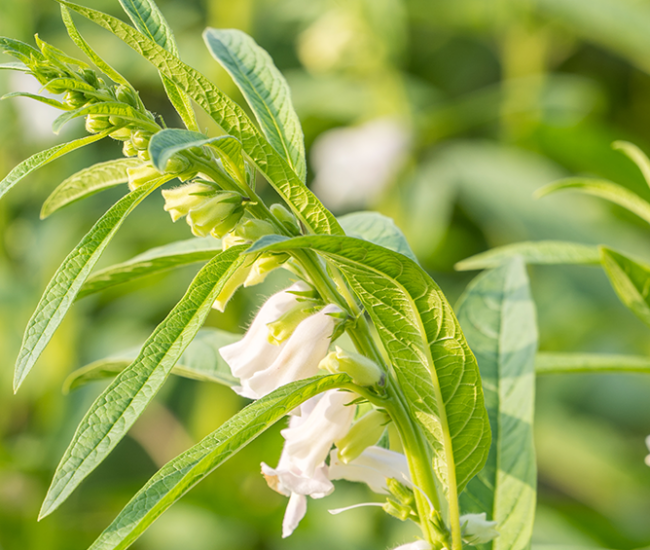
Prepare a fine seed bed because sesame seed is small
-
Avoid deep sowing and heavy irrigation
-
Keep field clean during early crop stages
-
Harvest at the right maturity to reduce shattering loss
Good seed is the foundation, but correct crop management completes the result. Farmers should follow recommended spacing, avoid water stress during early growth, and monitor the crop regularly for nutrient or pest-related issues.
AgriBee Seed Options and Internal Resources
Farmers can explore sesame seeds and related sesame seeds farming options on AgriBee.in. The product pages help farmers and dealers understand available varieties and select seed packets according to crop need and season.
AgriBee Seeds Pvt Ltd continues to build its portfolio for Indian farmers who need dependable seeds, practical support, and crop choices that can perform in real farming conditions.
FAQ About sesame seeds farming
Which seed quality factors are most important?
Farmers should check germination strength, uniformity, crop suitability, packing quality, and the reputation of the seed supplier before sowing.
Can sesame seeds be used for commercial farming?
Yes, when the variety suits the local season and market requirement. Farmers should choose seed based on field condition, expected harvest timing, and buyer preference.
Why choose AgriBee Seeds?
AgriBee Seeds focuses on quality, farmer needs, and practical Indian growing conditions, helping farmers start with a stronger foundation for better productivity.
Final Thoughts
Choosing sesame seeds farming is not only about price. It is about trust, crop uniformity, field performance, and the confidence that the seed has been selected for real farmer outcomes. With AgriBee Seeds Pvt Ltd, farmers get a dependable partner for better sowing decisions and stronger crop planning.