

Blackgram Seeds: A Practical Urad Farming Guide for Better Crop Planning

Blackgram Farming with AgriBee Blackgram

Blackgram Seeds: Urad Farming Guide for Better Crop Planning

Successful urad cultivation begins with thoughtful planning and a clear understanding of the crop’s requirements. For many Indian farmers, blackgram serves as a dependable pulse crop, fitting well into diverse farming systems. Whether grown under rainfed conditions or with irrigation support, it offers a viable option for those looking to diversify their fields after harvesting cereals. The foundation of this process is the selection of reliable, high-quality blackgram seeds, which directly influences crop establishment and lays the groundwork for the entire season.

Understanding Blackgram in the Indian Context

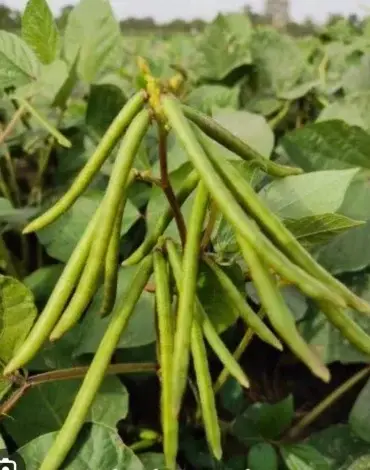
Blackgram, known as urad or urad dal, holds significant value in Indian agriculture and cuisine. It is a short-duration crop, typically maturing between 80 to 100 days, making it an excellent choice for crop rotation. This characteristic allows farmers to plan a productive sequence, often following a cereal harvest, to utilize land and resources efficiently. Its role extends from the field to the market, supporting a system where farmers can align production with steady consumer demand for pulses.

Planning your urad farming involves considering local climate, soil type, and market windows. A well-planned crop calendar helps in managing resources and mitigating risks associated with weather variability. For detailed insights on cultivation practices, you can explore our resource on blackgram farming.

Starting Right: Field and Seed Selection

The initial steps in the field are crucial for setting up a healthy crop. Begin with clean field conditions. The land should be well-prepared, free from large clods and the residues of previous crops. This preparation helps in achieving good seed-to-soil contact and uniform germination. While blackgram is adaptable to various soil types, it thrives best in well-drained loamy or sandy loam soils.

Choosing the right planting material is perhaps the most critical decision. Opt for certified seeds from a trusted source to ensure genetic purity, good germination percentage, and freedom from seed-borne diseases. Reliable seed selection is a cornerstone for better crop establishment. Companies like AgriBee Seeds Pvt Ltd focus on providing quality seeds that form the basis of a robust crop. Starting with superior seeds minimizes risks in the early stages and supports a uniform plant stand.

Practical Tips for Sowing and Crop Management

Effective management after sowing determines the crop’s trajectory. Here are some practical, field-tested tips:

  • Timing and Method: Sowing time varies by region—typically with the onset of the monsoon for kharif and in early summer for the spring season. Line sowing is preferred over broadcasting as it facilitates better intercultural operations.
  • Plant Population: Maintaining the recommended plant population is vital for optimal yield. A spacing of 30 cm between rows and 10 cm between plants is a common guideline, but always adjust based on the specific variety’s recommendation and your local extension advice.
  • Water Management: Although relatively drought-tolerant, urad is sensitive to water stress during critical growth stages. Avoid unnecessary water stress, particularly during flowering and pod development. Ensure adequate soil moisture during these phases, especially in non-rainfed systems.
  • Nutrient Needs: A balanced approach to fertilization works best. Incorporate well-decomposed farmyard manure during land preparation. A moderate application of phosphorus and potassium, based on soil test results, supports healthy growth without promoting excessive vegetative growth.

Navigating Challenges: Pests, Diseases, and Weather

Like all crops, blackgram faces its share of biotic and abiotic challenges. Proactive monitoring is key to management.

In humid weather conditions, which are common during the monsoon, the crop can become susceptible to fungal diseases like powdery mildew and leaf spot. Insect pests such as whiteflies, pod borers, and aphids may also appear. The most prudent approach is to follow the local pest and disease advisory issued by your state agricultural university or Krishi Vigyan Kendra. These advisories provide timely, region-specific information on scouting and safe, effective management options.

Preventive measures include using disease-resistant varieties, ensuring proper spacing for air circulation, and avoiding waterlogging. At the first sign of any infestation, consult local experts for identification and recommended control measures, always prioritizing safety and adhering to recommended dosages and waiting periods.

Planning for Harvest and Post-Harvest

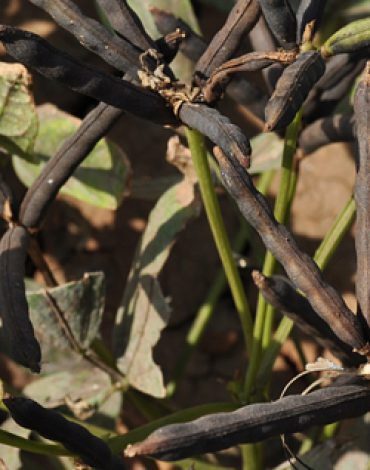
Harvest planning is an integral part of crop planning. Blackgram pods mature unevenly, so the ideal harvest time is when about 75-80% of the pods turn black. Delayed harvest can lead to pod shattering and seed loss. After harvesting, the plants should be dried and threshed carefully to minimize damage to the seeds.

Proper post-harvest handling ensures the quality of the produce, which is essential for fetching a good market price. Clean, well-dried seeds should be stored in airtight containers in a cool, dry place to prevent storage pest infestation. This attention to quality supports market-oriented pulse production, helping farmers realize better value from their harvest.

Frequently Asked Questions

What is the best season to sow blackgram seeds?
The primary season is kharif, sown with the onset of the monsoon (June-July). In regions with irrigation, it can also be grown as a spring/summer crop (February-March). The optimal time depends on your specific agro-climatic zone.

How important is seed quality in urad farming?
Extremely important. Quality blackgram seeds ensure good germination, vigor, and a uniform crop stand. It is the first step in managing yield potential and reducing the risk of poor establishment. Sourcing from reputable suppliers is advised.

Can blackgram be grown after a rice harvest?
Yes, it is a common and beneficial practice. Blackgram fits well as a post-rainy season crop after rice in many irrigated systems. Its short duration and nitrogen-fixing ability help in utilizing residual soil moisture and improving soil fertility for the next crop. For more guidance on integrating urad into your farm system, visit AgriBee.