
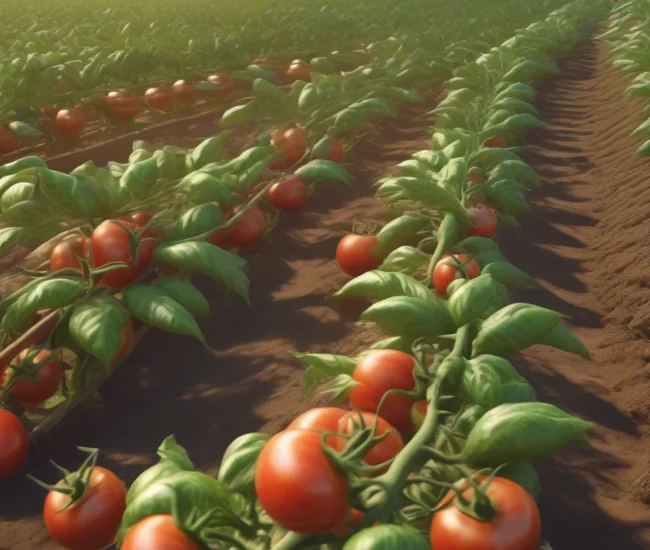
Tomato Farming in Bangladesh: A Practical Guide for Rabi Season Success
Tomato farming in Bangladesh has become one of the most profitable vegetable enterprises for farmers across the country. With rising demand in urban markets such as Dhaka and Chittagong, growing season extension through the Rabi period, and increasing awareness of quality seed varieties, Bangladeshi farmers now have more opportunities than ever to achieve consistent income from this crop. This guide covers everything you need to know about successful tomato cultivation in Bangladesh, from nursery preparation to harvesting and marketing.
Why Tomato Farming is Gaining Popularity in Bangladesh
Over the past decade, tomato cultivation has expanded significantly in Bangladesh due to several favorable factors. Urbanization has increased demand for fresh tomatoes in cities like Dhaka, Chittagong, Sylhet, and Khulna. The government of Bangladesh also supports vegetable farming through various agricultural extension programs. Additionally, tomato farming requires relatively less land compared to cereal crops, making it suitable for small and marginal farmers who dominate the agricultural landscape in Bangladesh.
For farmers looking to enter this sector, selecting the right seed variety is the most critical first step. AgriBee Seeds offers high-quality F1 hybrid tomato seeds specifically developed to perform well under the tropical conditions found across Bangladesh. These seeds are bred for uniform fruit size, which is essential for meeting the grading requirements of modern markets in Dhaka and Chittagong.
Best Time for Tomato Nursery in Bangladesh: October Sowing for Rabi Season
Understanding the correct sowing calendar is essential for tomato farming in Bangladesh during the Rabi season. The ideal time to prepare a tomato nursery in most parts of Bangladesh is during October. This timing allows young seedlings to develop strong root systems before the cool and dry weather of the Rabi season sets in. Sowing in October ensures that plants reach the transplanting stage within 25 to 30 days, which is the recommended window for healthy seedlings.
For regions facing intense summer heat, farmers can also attempt early Kharif season sowing in March or April, but yields tend to be more variable due to higher temperatures and pest pressure. The Rabi season sowing in October remains the most reliable approach for achieving consistent results in vegetable seed selection for Bangladesh farmers.
When preparing the nursery bed, use well-decomposed vermicompost or farmyard manure mixed with topsoil. Maintain adequate moisture but avoid waterlogging, as young tomato seedlings are highly susceptible to damping-off disease in overly wet conditions. Cover the nursery with shade cloth during peak afternoon hours to protect tender sprouts from direct sunlight exposure.
Disease Management in Humid Conditions Across Bangladesh
One of the biggest challenges for tomato farmers in Bangladesh is managing diseases in humid environments. The high humidity levels, especially during the monsoon and early post-monsoon periods, create favorable conditions for fungal and bacterial diseases such as blight, leaf curl virus, and fruit rot. Choosing disease-resistant tomato seeds for humid climate Bangladesh can significantly reduce crop losses and minimize dependency on chemical interventions.
AgriBee Seeds Pvt Ltd develops its tomato varieties with improved disease tolerance specifically suited to the climatic conditions of Bangladesh. These varieties show better resistance against common pathogens found in low-lying and humid regions. Farmers should also adopt preventive cultural practices such as crop rotation, proper spacing between plants for air circulation, and removal of infected lower leaves during the growing season.
Regular field monitoring is important, particularly during the flowering and fruit-setting stages. Early detection of disease symptoms allows timely action and can prevent spread to neighboring plants. Consultation with local agricultural officers or experienced fellow farmers can provide valuable insights into disease patterns specific to your district in Bangladesh.
Early Maturity Tomato Varieties for Market Advantage in Bangladesh
In the competitive vegetable market of Bangladesh, early maturity can make a significant difference in profitability. Farmers who harvest their tomatoes ahead of the mainstream supply can command better prices, especially during the initial weeks of the Rabi season when market availability is limited. Early maturity tomato variety selection for Bangladesh market is therefore a strategic decision that directly impacts income.
F1 hybrid varieties offer several advantages over open-pollinated seeds in this regard. They provide more uniform ripening, which means farmers can plan harvesting cycles more efficiently. Uniform fruit size and shape also meet the quality standards expected by traders and supermarket chains in Dhaka and Chittagong. For farmers targeting premium markets, this consistency is as important as yield quantity itself.
The combination of early maturity and good shelf life is particularly valuable for farmers who need to transport produce over longer distances to reach major trading centers. Investing in quality seeds from a reputable supplier like AgriBee Seeds ensures that these desirable traits are present from the very beginning of the growing cycle.
Farm Layout and Soil Preparation for Low-Lying Areas
Tomato farming in low-lying areas of Bangladesh requires special attention to drainage. Many parts of Bangladesh, including areas in Rajshahi, Bogra, and parts of Faridpur, are prone to water stagnation during rains. Poor drainage can lead to root rot and reduced plant vigor. Using raised beds is one of the most effective solutions for these conditions.
Raised beds should be constructed at a height of approximately 6 to 8 inches above the general field level with proper width for easy access from both sides. This practice improves soil aeration and prevents water accumulation around the root zone. In addition to raised beds, farmers should ensure that field channels are clean and functional before the onset of rainfall.
Soil preparation should include deep plowing followed by fine tilth formation. Incorporating well-decomposed organic matter improves soil structure and water retention capacity. A balanced fertilizer application at the fruit-setting stage supports continued growth and development without encouraging excessive vegetative growth that could compromise fruit quality. Soil testing through local agricultural extension services can help determine exact nutrient requirements for your specific field in Bangladesh.
Understanding F1 Hybrid Tomato Seeds Price in Bangladesh
The cost of seeds is an important consideration for every farmer, and the F1 hybrid tomato seeds price in Bangladesh varies depending on the variety, packaging size, and supplier. While hybrid seeds may have a higher upfront cost compared to conventional seeds, the return on investment is often significantly better due to higher and more uniform yields. Farmers should evaluate the total cost per hectare rather than focusing solely on the per-pack seed price.
AgriBee Seeds offers competitive pricing for its F1 hybrid tomato seeds for Bangladesh farmers, ensuring that quality genetics are accessible to both small-scale and commercial growers. Purchasing from authorized dealers helps guarantee seed authenticity and viability, which are critical factors for successful crop establishment. Farmers are advised to verify dealer credentials and check seed packaging for proper labeling including batch number, germination percentage, and expiry date.
Practical Tips for Successful Tomato Cultivation in Bangladesh
- Sow tomato seeds in a protected nursery during October for optimal Rabi season performance across Bangladesh.
- Transplant seedlings only after they reach 25 to 30 days of age with at least four to five true leaves.
- Construct raised beds in low-lying areas to prevent waterlogging and improve overall drainage during the growing season.
- Apply a balanced fertilizer mix at the fruit-setting stage to support sustained development and improve fruit quality.
- Maintain adequate plant spacing to ensure good airflow and reduce the risk of fungal diseases in humid conditions.
- Harvest tomatoes at the mature green stage for longer-distance transportation to markets in Dhaka and Chittagong.
- Practice crop rotation with non-solanaceous crops to break pest and disease cycles in the soil.
- Keep fields free from weeds, especially during the early growth stages when young plants are most vulnerable.
Frequently Asked Questions
What is the best time to start tomato nursery in Bangladesh?
The best time to start a tomato nursery in Bangladesh is in October for the Rabi season. This timing provides favorable temperature conditions for germination and seedling growth. Farmers in southern regions with warmer climates may also attempt February sowing for an earlier harvest window.
How can I protect my tomato crop from diseases in humid weather?
To protect tomato crops in humid conditions, choose disease-resistant F1 hybrid varieties, use raised beds for better drainage, maintain proper plant spacing for air circulation, remove infected leaves promptly, and follow a regular monitoring schedule. Applying appropriate fungicides at recommended intervals during high-risk periods is also advisable.
Where can I buy quality tomato seeds in Bangladesh?
Quality tomato seeds are available through authorized AgriBee Seeds distributors across Bangladesh. Farmers can visit the vegetable seeds category on the AgriBee website to explore available varieties and find nearby dealers. Always purchase from verified sources to ensure seed quality and genetic purity.
Tomato farming in Bangladesh presents a promising opportunity for farmers willing to invest in proper planning and quality inputs. By following the practices outlined in this guide and selecting reliable seed varieties from AgriBee Seeds Pvt Ltd, farmers can build a sustainable and profitable tomato enterprise that serves the growing demand in Bangladeshi markets.

